30 mg Tirzepatide Peptide for Sale: Dosing Context for Research Protocols

Peptides for Sale Online: What Lab Researchers Need Before Placing an Order
Every serious researcher knows this feeling: you find a supplier listing peptides for sale online, the price looks right, and then the documentation questions start. Is the purity actually verified? Is the lot number traceable? Does the CoA match this batch — or is it a recycled template?
Those questions matter more than the price tag. Bad data doesn't announce itself. It hides inside experiments that used low-quality materials and shows up months later when results won't replicate.
This article gives researchers, lab managers, and procurement teams a practical framework for sourcing 30 mg tirzepatide peptide for sale, understanding what that quantity means in a protocol context, and evaluating research-grade synthetic peptides before committing to any supplier.
Everything here is written for research use only. No compound discussed in this guide is intended for human administration, clinical treatment, or any application outside a controlled laboratory environment.
Tirzepatide in Research — Why This Peptide Keeps Coming Up
Tirzepatide is a dual-receptor agonist. It binds to both the GIP receptor (glucose-dependent insulinotropic polypeptide) and the GLP-1 receptor (glucagon-like peptide-1) — two receptors directly involved in metabolic signaling, insulin response, and energy regulation.
Its clinical performance generated strong interest in academic and independent research labs. But the questions researchers ask are different from the ones clinical trials answer.
Labs want to know how tirzepatide behaves in isolated cell models. They want comparative binding data. They want to understand receptor cross-talk at a mechanistic level that a phase-three trial isn't designed to explore.
That's what drives consistent demand for tirzepatide peptides for sale in research-grade formats — and why sourcing standards matter so much when the compound is central to your study design.
30 mg Tirzepatide Peptide for Sale — Reading the Label Correctly
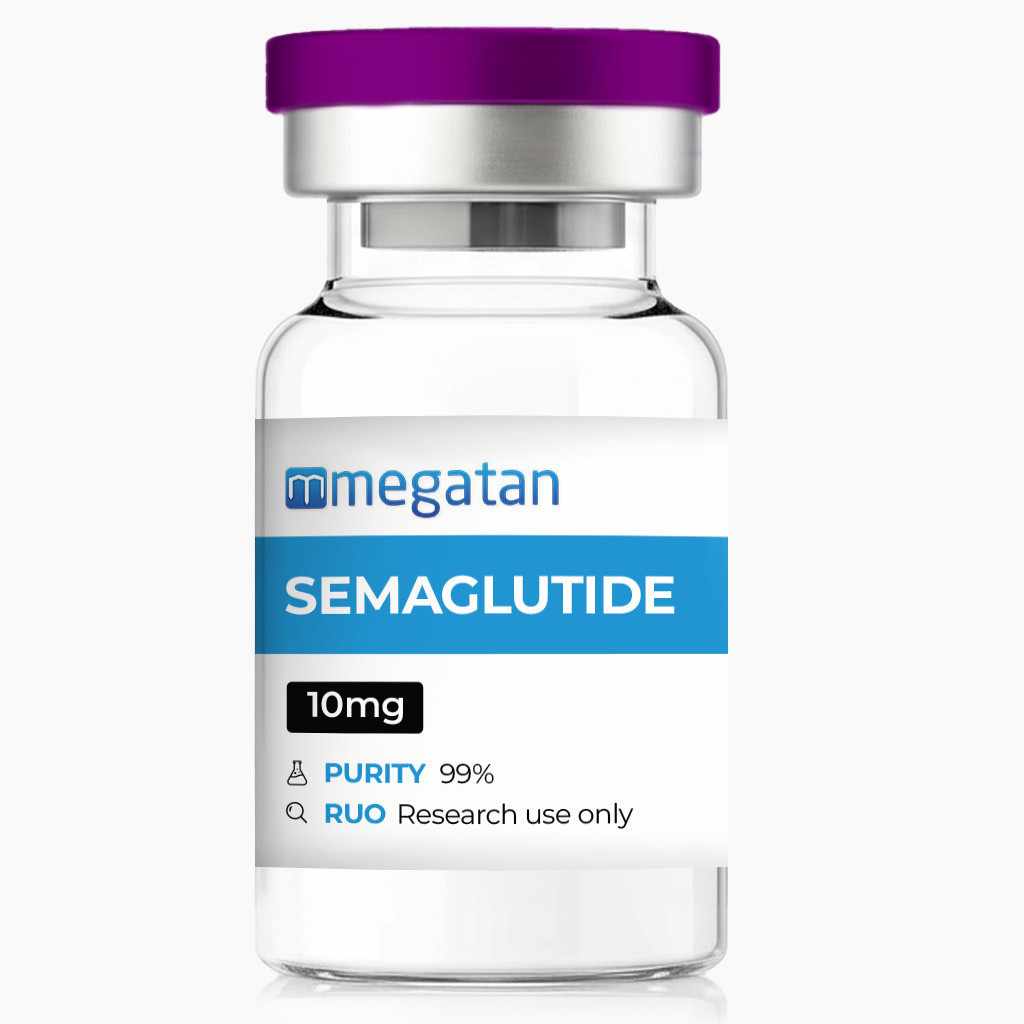
The "30 mg" in 30 mg tirzepatide peptide for sale refers to the mass of lyophilized peptide powder in the vial. This is a laboratory quantity — not a dose, not a treatment amount, not a reference to any clinical protocol.
In clinical settings, tirzepatide is administered in micrograms per week. A 30 mg vial contains enough research-grade material for dozens of controlled experiments, depending on the design parameters of each study.
Researchers select this vial size for three reasons that hold up under any budget review:
Single-Lot Integrity Running the full duration of a study from one vial eliminates batch-to-batch variability. When peer reviewers push back on data, lot consistency is one of the first things they check. One vial, one lot number, one set of documentation — that's a clean answer.
Protocol Continuity Research rarely runs on schedule. Equipment delays, team changes, and institutional review cycles all affect timelines. A 30 mg supply gives a working buffer that smaller quantities simply don't provide.
Per-Milligram Efficiency Cost per milligram drops at larger quantities. For labs running parallel protocols or longitudinal studies, that efficiency compounds over time.
Understanding what 30 mg actually represents in a protocol context helps labs order the right quantity the first time — and document their rationale clearly in purchasing records.
Synthetic Peptides — Purity Standards That Research Demands
Every research-grade tirzepatide compound is produced synthetically. That's not a limitation — it's the foundation of reproducibility.
Synthetic peptides are manufactured through solid-phase peptide synthesis (SPPS), a process that assembles amino acids in a precisely controlled sequence. The result is a compound with a known structure, a verifiable identity, and a documented purity level. That's what makes controlled, repeatable research possible.
Three documents define whether a synthetic peptide supplier is research-grade or not:
HPLC Purity Report High-performance liquid chromatography separates the target peptide from any byproducts, unreacted precursors, or degradation fragments. The purity percentage represents how much of the total sample is the actual compound. The accepted floor for research use is ≥98%. Below that, impurity variables begin affecting binding affinity, dose-response relationships, and data reproducibility.
Mass Spectrometry Verification Mass spec confirms the molecular weight of the compound matches its expected sequence. This is the identity check. HPLC tells you it's clean — mass spec tells you it's actually tirzepatide. Both are required. Neither alone is sufficient.
Lot-Specific Certificate of Analysis A CoA only carries weight if it's tied to the lot you received. Generic certificates, undated documents, or CoAs without matching lot numbers are red flags that experienced lab managers recognize immediately. Every shipment should come with documentation that corresponds to that specific batch — not a reference sample from six months ago.
No supplier of research-grade synthetic peptides should hesitate to provide all three. If they do, that hesitation is its own answer.
Where to Buy Retatrutide — The Triple Agonist Gaining Research Traction
Searches for where to buy retatrutide have climbed steadily, and the research rationale is clear. Retatrutide is a triple agonist — it activates GIP, GLP-1, and glucagon receptors simultaneously. Tirzepatide touches two. Retatrutide touches three.
Early-phase clinical data showed metabolic effects stronger than any dual-agonist compound previously studied. That result opened a new category of research questions that scientists are now actively pursuing:
How does adding glucagon receptor activation change the binding profile compared to a dual agonist?
What does triple agonism look like in isolated receptor assays versus whole-cell models?
How does retatrutide's mechanism inform our understanding of glucagon's independent role in energy regulation?
These aren't questions clinical trials are structured to answer. They're exactly the kind of questions research labs exist to explore. Because retatrutide is still working through the regulatory approval process, research-grade suppliers are currently the primary access route for scientists who need verified compound material.
Finding out where to buy retatrutide from a compliant, fully documented source — one that sells exclusively for research use — is a procurement decision with direct consequences for study quality.
Peptides for Sale Online — Sourcing Checklist Before Any Order
Use this checklist for every supplier evaluation, regardless of compound:
Documentation
Lot-specific Certificate of Analysis provided with every shipment
HPLC purity ≥98% confirmed in the CoA
Mass spectrometry sequence verification available on request
All products clearly labeled: For Research Use Only — Not for Human Use
Storage and Handling
Lyophilized powder ships with cold-chain packaging
Written storage guidance included: -20°C sealed; 4°C reconstituted
Reconstitution instructions available (bacteriostatic water compatibility)
Freeze-thaw cycle guidance provided
Supplier Verification
Physical address and verifiable business history
Technical support staff who can answer compound-specific questions
Zero health claims, zero human-use language anywhere on the platform
Clear quality dispute and return policy in writing
This checklist applies whether you're sourcing 30 mg tirzepatide peptide for sale, retatrutide, or any other research compound in your procurement pipeline.
Conclusion: Peptides for Sale Online — Research Integrity Is a Sourcing Decision
The science around tirzepatide, retatrutide, and next-generation synthetic peptides is some of the most active and consequential research happening in metabolic biology right now. Labs that engage with it rigorously will produce data worth publishing. Labs that cut corners on sourcing will produce data that doesn't survive replication.
All compounds on our platform are supplied for research use only. Not for human administration. Not for clinical application. Strictly for controlled scientific study in qualified laboratory settings — full stop.
The market for peptides for sale online will keep growing. More suppliers will enter. Quality variance will increase. The responsibility for filtering that variance sits with the researchers and procurement teams who know what documentation looks like when it's done right.
Demand the paperwork. Verify the lot. Source from suppliers who treat research-only compliance as a baseline, not a footnote.
Your data depends on it.
Frequently Asked Questions
Q1: Are all peptides on your platform for research use only? Yes — without exception. Every compound we offer is sold strictly for research use only. None of our peptides are intended for human administration, clinical treatment, veterinary use, or any application outside a controlled laboratory setting. This is a fixed policy, not a disclaimer.
Q2: What does "30 mg tirzepatide peptide for sale" actually mean? The 30 mg refers to the mass of lyophilized (freeze-dried) peptide powder in the vial — not a dose for any subject. It is a laboratory quantity designed to support multiple research experiments from a single, consistent lot.
Q3: What purity level should I require when buying synthetic peptides for research? The minimum accepted standard is ≥98% purity as confirmed by HPLC. Below this threshold, impurity levels are high enough to affect binding data, dose-response curves, and result reproducibility. Always request the HPLC report and mass spectrometry verification before ordering.
Q4: Where can I find tirzepatide peptides for sale with full documentation? Look for suppliers who provide a lot-specific Certificate of Analysis, HPLC purity data, and mass spectrometry verification with every order. Any supplier that cannot produce these documents on request is not operating at research-grade standards.
Q5: Where to buy retatrutide for research — what should I verify first? Confirm that the supplier provides third-party purity testing, lot-specific documentation, and clearly labels all products as research use only. Retatrutide availability varies by supplier, so working with an established, compliant research-grade vendor reduces procurement risk.
Q6: How should tirzepatide peptides be stored after delivery? In sealed lyophilized form: store at -20°C. Shelf life in this state can reach 24 months when stored correctly. Once reconstituted in bacteriostatic water: store at 4°C and use within 2–4 weeks. Avoid repeated freeze-thaw cycles — each cycle degrades compound integrity and can introduce data variability.
Q7: Why does lot-specific documentation matter when sourcing peptides for sale online? Lot-specific documentation ties purity and identity data to the exact batch in your hands. Generic or undated CoAs provide no verifiable connection to the compound you received. For research records, institutional compliance, and peer review, lot-specific documentation is the only acceptable standard.
Q8: Can I request a CoA before purchasing? Yes. Any research-grade supplier should make CoA data available prior to purchase. If a supplier declines or delays that request, treat it as a disqualifying response.






Write a comment ...